







Search Results for: blackcurrant flavor
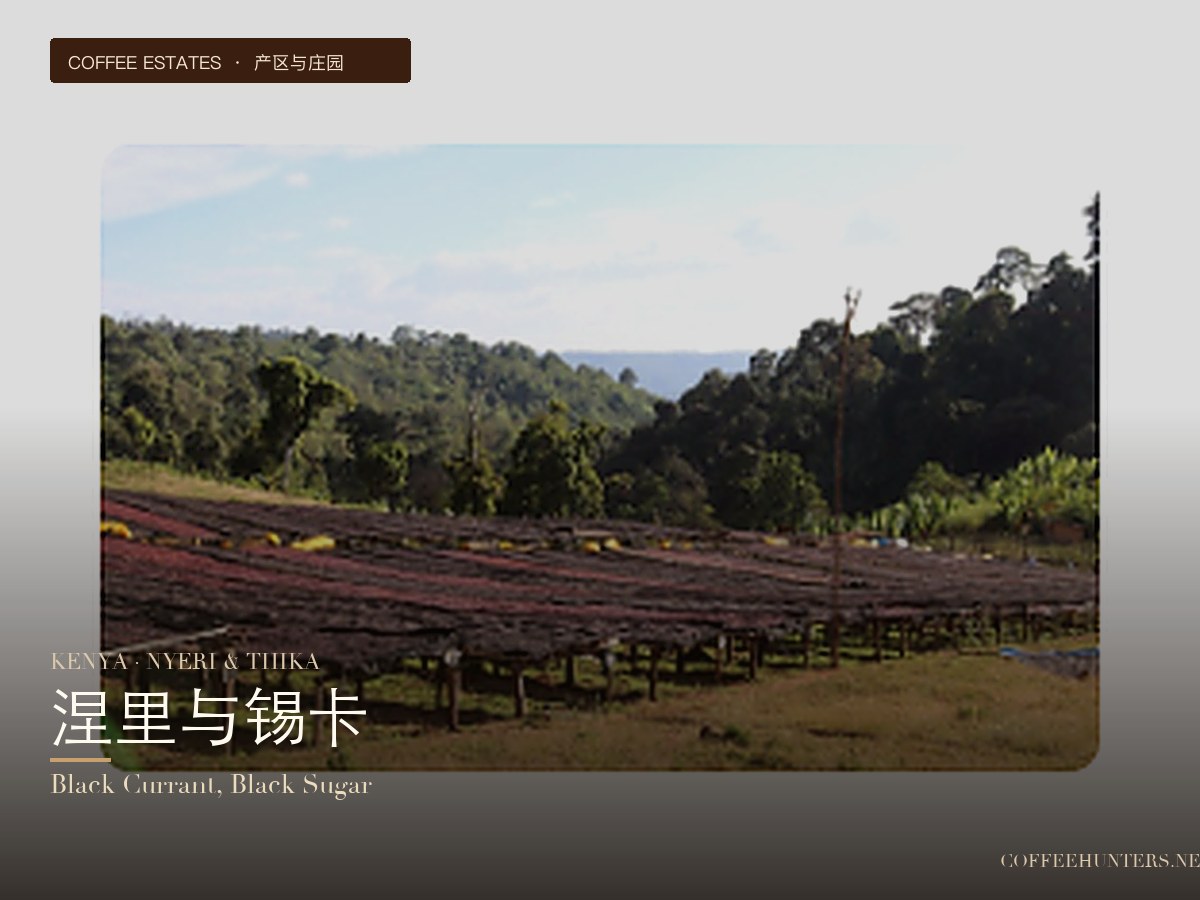
Kenya·Nyeri and Thika: The Bold Acidity of Blackcurrant and Tomato
Kenyan coffee is regarded by the global specialty coffee community as the "benchmark of Africa" for its powerful acidity, full-bodied tartaric acid, and distinctive blackcurrant flavor. This article takes the two major producing regions of Nyeri and Thika as its starting point to provide an in-depth analysis of the ins and outs of Kenyan coffee. [more…]
SCA Coffee Sensory Evaluation Course | Why Does Pour-Over Coffee Taste Sour or Bitter? How Should Beginners Taste Single-Origin Black Coffee?
“How do you taste citrus in coffee?” Quite a few friends say they envy baristas for being able to casually name the specific flavors in coffee. Some friends also say, I can taste that the coffee is acidic, but that’s far from the citrus you’re talking about. Still others say flavors are all just nonsense. Front Street, in its daily online [more…]
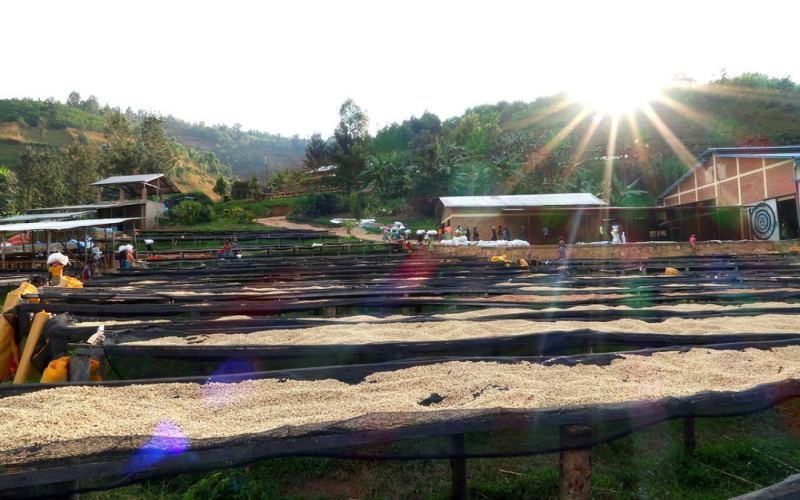
An Overview of Tanzanian Coffee Brands: How the Washed Process Brings Out Blackcurrant Flavor
As one of Africa's three coffee giants, Tanzania is known for its washed beans with soft acidity, red wine notes, and blackcurrant-like aromas. This article reviews the cultivation history, main growing regions, and processing methods of Tanzanian coffee, compares its style with Kenyan coffee, and introduces the brewing parameters and flavor performance of Front Street Coffee's Tanzanian coffee, giving you a comprehensive look at the charm of this East African origin. [more…]
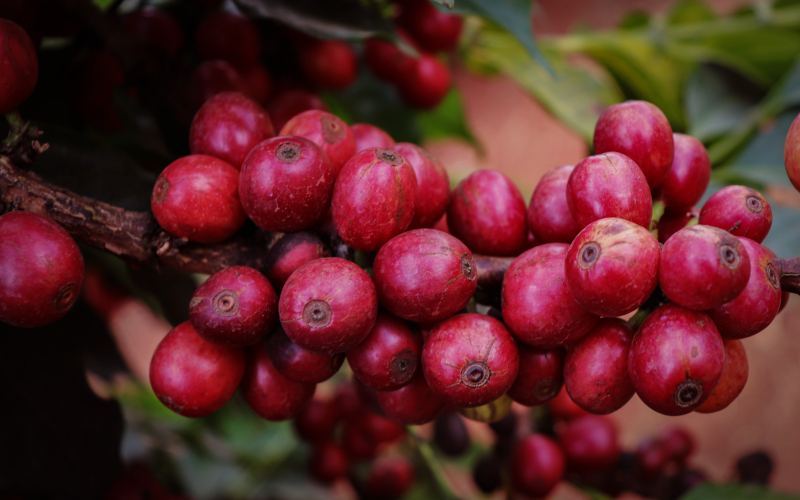
Kenyan Specialty Coffee Flavor Analysis: The Unique Charm from Floral and Blackcurrant to Cranberry
Kenyan coffee has long been renowned for its bright and complex flavors—those who love it are captivated by it, while those unaccustomed to it may find it hard to accept at first. This polarizing characteristic stems precisely from Kenya's uniquely favorable growing environment and its distinctive processing methods. Taking Front Street's Cherry Tomato coffee beans as an example, this article provides an in-depth analysis of where Kenyan coffee's floral, blackcurrant, and cranberry flavors come from. From the volcanic soil of the Thika region, to the genetic advantages of the SL28 and SL34 varieties, and further to the 72-hour double fermentation washed method, every step paves the way for that bright berry-like acidity in the cup. It will also explain how roast level affects the flavor profile, helping you find the cup of Kenyan coffee that best meets your expectations. [more…]
SL28 and SL34: The Legendary Varieties from Kenya's Laboratory
In the world of specialty coffee, few varieties encapsulate a country's technical ambition and terroir expression in two numbers the way SL28 and SL34 do. Their acidity is bright as berry juice, their sweetness rich with blackcurrant notes, and together they have all but defined the "Kenyan taste." This legendary [more…]
Ethiopian Yirgacheffe vs Sidamo Coffee Beans Compared: Regional Terroir, Processing Methods, and Pour-Over Flavor Differences
Among Ethiopia's many renowned coffee regions, Yirgacheffe and Sidamo are undoubtedly the two names most frequently discussed by coffee enthusiasts. Although both lie within the same country, differences in altitude, microclimate, and processing methods give them distinctly different flavor profiles. Front Street Coffee often encounters customers who hesitate between these two beans, and the key to choosing really lies in which taste you prefer: if you seek a bright, lemony-citrus acidity, washed Yirgacheffe is the classic choice; if you favor the full, berry-like sweet-tartness of berries and blackcurrant, sun-dried Sidamo will suit your palate better. This article will systematically sort out the differences between the two, from regional background and the evolution of processing methods to roasting, cupping, and actual brewing, and will include Front Street Coffee's brewing recommendations and a flavor comparison. [more…]
Complete Guide to Kenya's Xihan Na Estate: Exploring the Flavor and Historical Origins of French Missionary Bourbon Natural-Process Beans
Xihanah Estate is located in the Thika production area of Kenya's Central Province, and takes its name from the Chania River that flows through it. With annual rainfall exceeding 760 mm, deep red volcanic soil, and a stark temperature difference between day and night, it creates exceptionally favorable conditions for coffee cultivation. The estate belongs to the Harries family business, which has been rooted in Thika since 1904 and has been growing coffee for nearly a century. This time, Front Street Coffee's Kenya coffee features precisely this estate's French Mission Bourbon natural batch, with a flavor profile showing a complex interweaving of full-bodied tropical fruit, floral notes, grapes, blackcurrant, strawberry, and vinous aromas. Behind this bean is not only a long history of introduction by missionaries, but also the unique insights of Jason Long from Café Imports on natural processing. [more…]

Complete Guide to Kenyan Coffee Beans: A Flavor Guide to Ten Washed Coffees and Pour-Over Parameters Explained
Kenyan coffee is renowned worldwide for its bright fruit acidity, full-bodied berry notes, and distinctive smoked plum flavor. This article systematically reviews the origins, altitudes, grades, and flavor profiles of ten Kenyan washed coffee beans, offers an in-depth interpretation of the K72 washing process and the origins and performance of the SL28 and SL34 varieties, and provides a detailed introduction to the brewing method for Front Street Coffee's Kenyan Cherry Tomato coffee beans, including practical content such as V60 dripper selection and three-stage extraction parameters, offering coffee enthusiasts a complete reference for Kenyan coffee tasting and brewing. [more…]
Guji Hambela Buku Able Washed G1: A Complete Guide to Flavor and Brewing
In Ethiopia's specialty coffee landscape, the Guji Hambela region shot to fame with the sun-dried lot that won the 2017 TOH competition, bringing the Floralke series into the public eye. In this article, Front Street Coffee will systematically sort out the terroir differences between the Sidamo and Guji regions, the sun-drying process at the Buku Able processing station, and the evolution of Floralke from 1.0 to 5.0, fully presenting the green bean characteristics, roasting records, cupping performance, and V60 brewing recipe of Floralke 5.0 coffee beans, helping coffee enthusiasts understand why this bean can combine a strawberry-cream-like sweetness with the full body of blackcurrant juice. [more…]
Fruity and Floral Single-Origin Coffee Recommendations | Why Does Hand-Brewed Black Coffee Taste Like Fruit? What's the Difference in Fruity Flavors Between African and South American Coffee Beans?
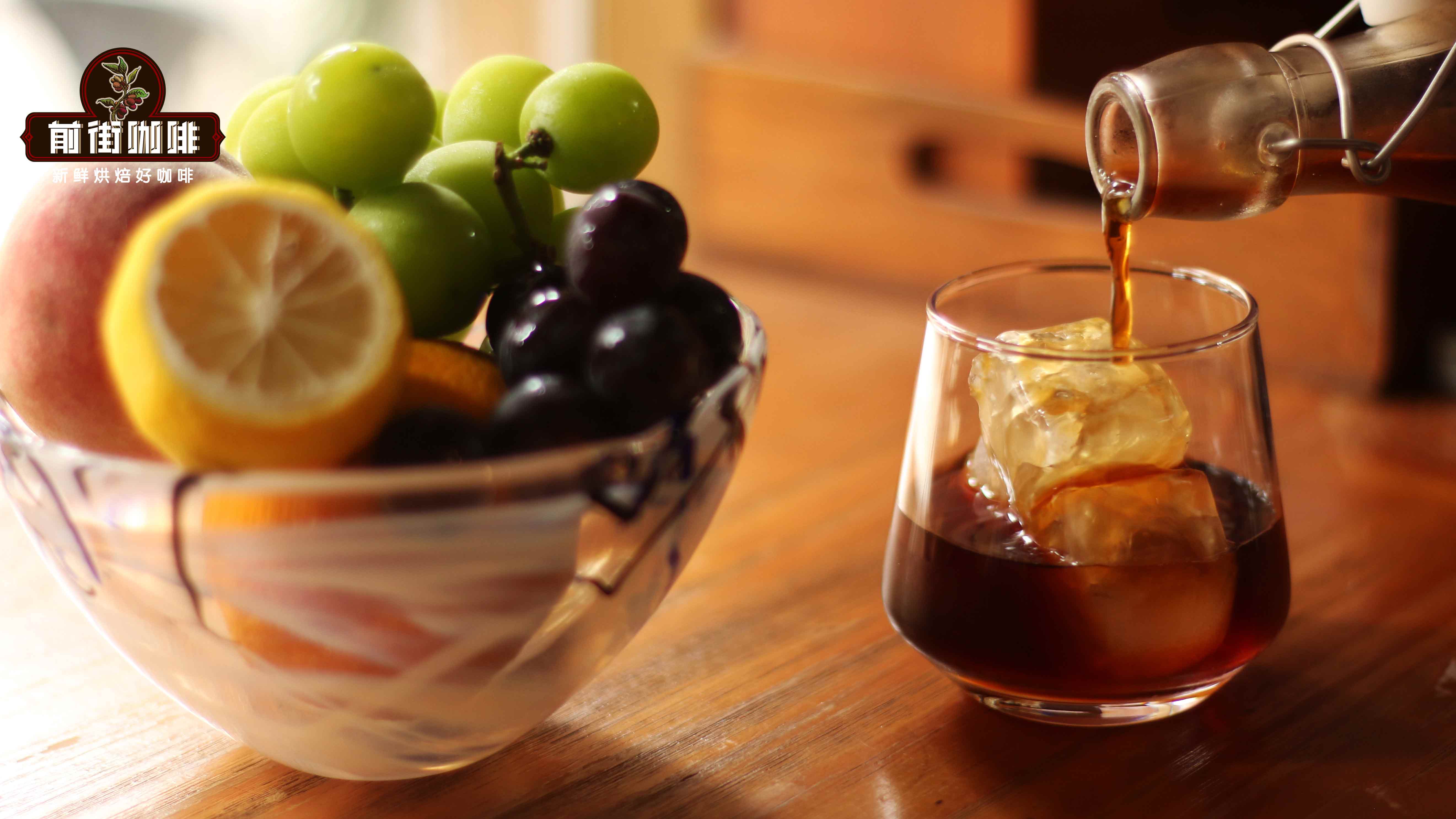
Fruity coffee fruit flavors often present a natural sweet-and-sour aroma, making them one of the most prized qualities in specialty coffee. They are generally divided into stone fruits (peach, apricot, apple), citrus (orange, lemon, pomelo, sweet orange), and berries (raspberry, strawberry, blackberry, blackcurrant, cherry). Generally speaking, [more…]
An In-Depth Analysis of Ethiopia Guji Hambela Sun-Dried Beans: Flavor Characteristics and Brewing Tips
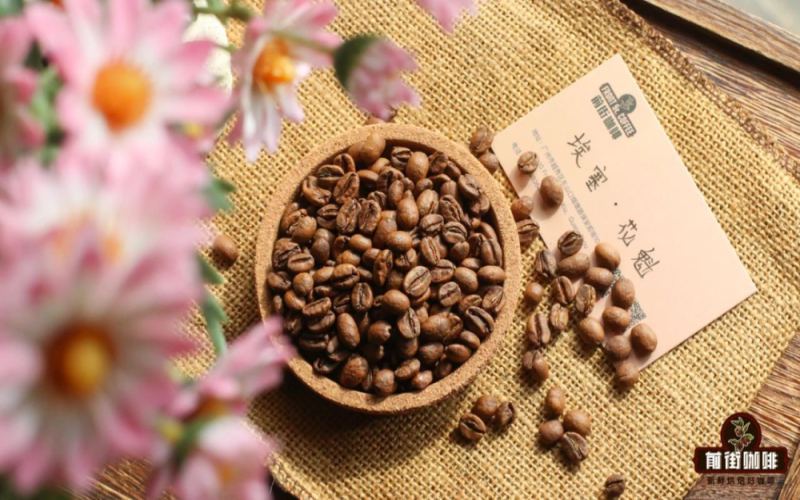
Huakui coffee is undoubtedly one of the most talked-about Ethiopian natural beans in the specialty coffee scene in recent years. Since winning the TOH competition in 2017, this coffee from the Guji Hambela region has conquered countless palates with its intense berry aroma and creamy texture. Brewed as black coffee, it presents sweet notes of almond and caramel at high temperatures; as it cools, blackcurrant-like sweet-tart flavors gradually unfold, with a honey-like lingering sweetness in the finish. Since its launch on the Front Street Coffee Tmall flagship store, this coffee bean has consistently remained on the bestseller list. This article will take you through the region's background, the story of the processing station, varietal characteristics, and roasting and brewing parameters to fully understand what makes Huakui coffee so unique. [more…]
Kenyan Coffee Flavor Analysis: Acidity Characteristics and Taste Layers of Africa's Top Region
Kenya, as one of Africa's most important coffee-producing countries, nurtures coffee beans with distinct flavors and rich layers thanks to its unique terroir of high altitudes and cool mountainous regions. Its signature bold acidity and fruity notes of blackcurrant, grapefruit, and the like have kept Kenyan coffee a fixture in the global specialty coffee scene. This article will systematically sort through the taste characteristics and quality assurance system of Kenyan coffee from the perspectives of the producing environment, flavor traits, and grading system, and answer the common question of "Is Kenyan coffee on the acidic side?" to give you a comprehensive understanding of the charm of this top-tier African origin. [more…]
An In-Depth Analysis of Tanzania's Coffee Bean Grading System and the Flavor of the Kilimanjaro Region
Tanzanian coffee is grown in the fertile soils of the East African Rift Valley, structured around bright acidity and medium body, interwoven with blackcurrant, sweet citrus, and floral notes, suitable for both hot and iced drinks. This article systematically reviews its washed processing characteristics, estate bean grading logic, and transportation aging risks, explains in detail the terroir of core producing regions such as Kilimanjaro, Moshi, and Arusha, and introduces representative brands such as Africafe and Tanica Cafe as well as the cultural origins of the "coffee gentleman." It also focuses on industry developments such as Tanzania's promotion of domestic sales and the addition of six new coffee-producing regions, providing coffee enthusiasts with a comprehensive and professional guide to the producing region. [more…]
What fruits exactly do the berry flavors in pour-over coffee refer to? Recommended single-origin beans with prominent berry notes
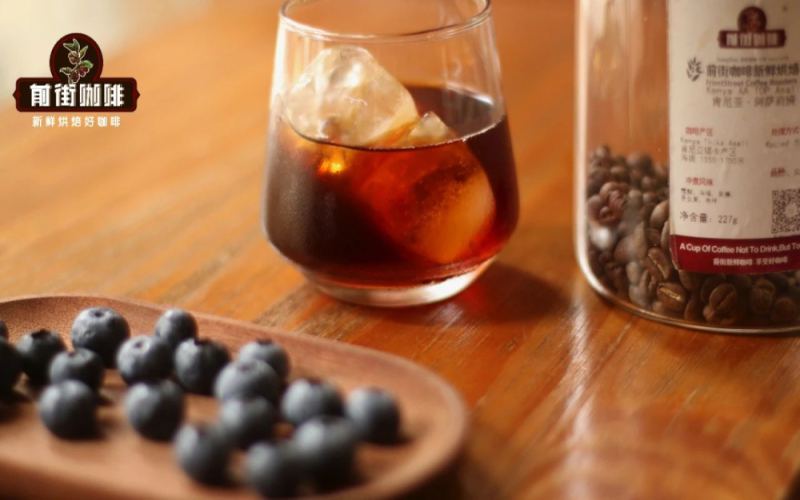
In coffee tasting, berry is a common and easily recognizable flavor descriptor, but it does not refer to a specific fruit; rather, it is a general term covering a variety of small, juicy fruits. In the new coffee flavor wheel released by the SCA in 2016, berries are classified as a separate category, including strawberry, blueberry, raspberry, blackberry, mulberry, cranberry, and blackcurrant. The common characteristics of these fruits lie in their flesh texture, thin-skin structure, and the even distribution of seeds within the berry. For coffee lovers who prefer berry-toned coffees, Front Street Coffee recommends prioritizing beans from producing regions such as Kenya, Rwanda, and Ethiopia, as they often present vivid red or dark berry flavors. This article will explain in detail the definition and classification of berry flavors, and recommend three Front Street Coffee single-origin coffees with prominent berry characteristics, helping you more precisely capture those captivating fruit aromas during pour-over brewing. [more…]
The Evolution of Kenya's Coffee Industry and Its Flavor Characteristics: From Bourbon Introduction to the Specialty Path of K72 Washing
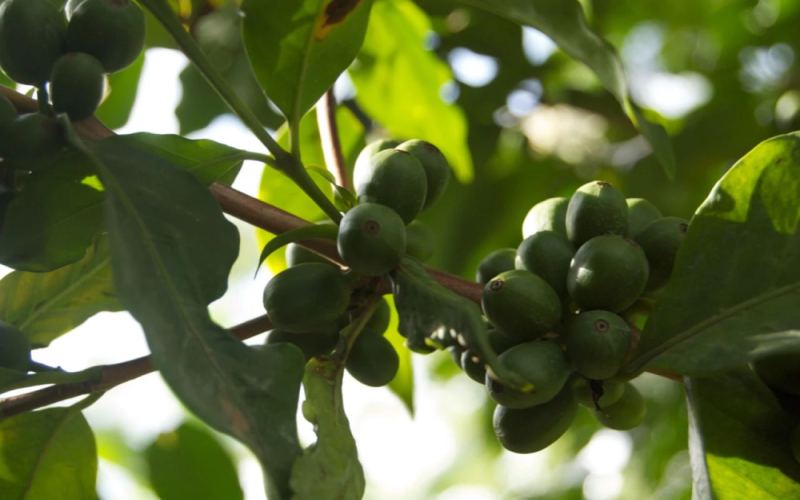
Although Kenya borders Ethiopia, the birthplace of coffee, its commercial cultivation did not begin until the early 20th century. With high-altitude volcanic soil, two rainy seasons bringing a double harvest, and premium varieties such as SL28 and SL34, Kenya rose within just a few decades to become a major representative of specialty coffee worldwide. This article will trace the history of coffee cultivation and the distribution of growing regions in Kenya, analyze the sources of its signature berry-like acidity and blackcurrant flavors, and provide a detailed introduction to the unique K72-hour washed processing method. At the end, Front Street Coffee's brewing parameters and flavor descriptions are included for coffee lovers' reference. [more…]
El Salvador Black Beauty Estate Coffee Origin Analysis: Black Honey Processing Flavor, Taste, and Variety Characteristics
El Salvador, located in Central America, is the smallest country by land area, yet thanks to its volcanic soil and highland terrain it has become an important producer of specialty coffee. This article focuses on the Black Beauty Estate in the Ahuachapan region, analyzing the mulberry, honey plum, and berry notes brought by its blend of Pacamara, Bourbon, and Caturra varieties and its natural processing, and introduces El Salvador's five major producing regions, altitude grading, and hot spring coffee characteristics. Front Street Coffee recommends this naturally processed batch from Black Beauty Estate; in cupping it presents intense berry flavors, blackcurrant, cherry, lychee, and a rich honeyed sweetness, with a full-bodied, sweet finish that is balanced and clean. [more…]
Ethiopian Yirgacheffe Gedeo Zone Natural Coffee: A Full Analysis of Origin, Processing, and Flavor Characteristics
Yirgacheffe is one of Ethiopia's most iconic coffee-producing regions, and its unique terroir gives the coffee a captivating floral and citrus character. This article begins with the legendary origins of coffee, introduces the similarities and differences between Yirgacheffe and neighboring Sidamo, and then focuses on a single lot—the Gedeb sun-dried G1—unpacking everything from its garden cultivation model, red cherry sorting, and African raised-bed drying process to the blackcurrant, raisin, dried apricot, and grapefruit pulp notes it ultimately presents in the cup. The article also includes Front Street Coffee's brand-sharing philosophy and event information, making it a worthwhile read for enthusiasts who want a deeper understanding of Ethiopian sun-dried coffee. [more…]
Colombian Ombligon Coffee Variety Explained: A Complete Guide to Finca El Diviso's Ombligon Flavor and Growing Region
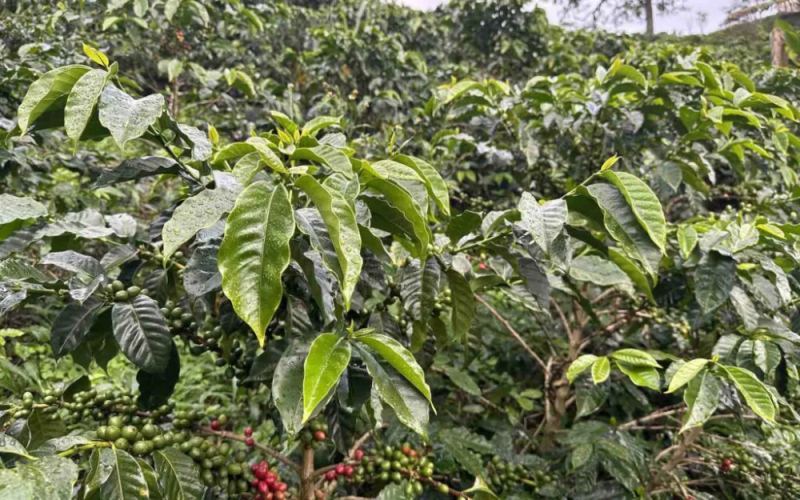
On Front Street Coffee's Colombian bean list, there is a coffee with a rather amusing name—Ombligon. What kind of variety is it exactly? Why does it have such a vivid name? Ombligon is a relatively recently introduced Arabica variety that is currently grown only in the Huila region of southwestern Colombia. It gets its name from the protrusion at the bottom of the fruit, which resembles a navel, and it rose to prominence through the World Barista Championship. Genetic research shows that it is related to Ethiopian landraces, while its plant characteristics are similar to Caturra, making it highly favored by local coffee farmers. Front Street Coffee has now also introduced Ombligon coffee beans from Finca La Divisa, using a double anaerobic process, presenting rich flavors such as blackcurrant, grapefruit, berries, and orange. This article will give you a comprehensive understanding of this unique variety's origins, characteristics, and brewing performance. [more…]
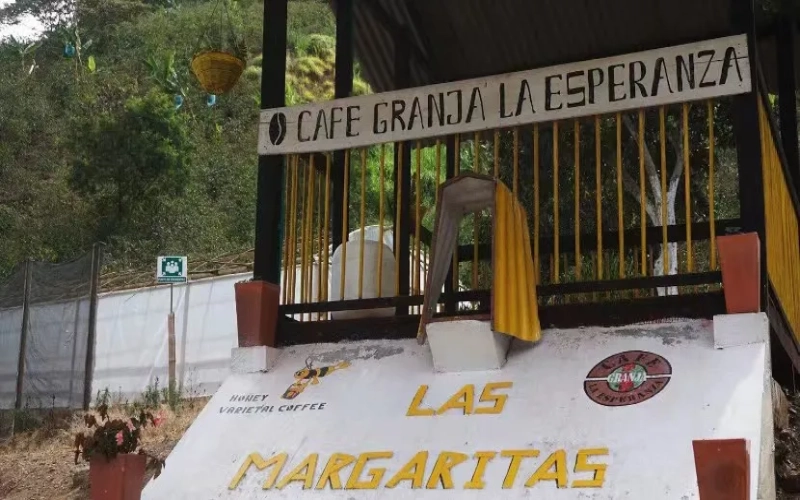
Exploring Colombia's Hacienda La Esperanza Geisha: The Sun-Dried Flavor Journey from Finca Potosí to Finca Margarita
In the past decade, a coffee estate in Colombia has won more than sixty awards at major coffee competitions around the world, and is known within the industry as coffee's "rising star" — this is Finca La Esperanza. From a couple acquiring Finca Posido to the family gradually expanding to five estates, and then in 2007 leasing the La Carreta farm in Boquete, Panama, and winning the BOP championship, the rise of Finca La Esperanza has been full of legendary color. This article will take you through the historical development of Finca La Esperanza, the terroir advantages of Cauca Department, and a tasting of a sun-dried Geisha from Finca Margarita, to experience the charm of flavors interwoven with blackcurrant, blueberry, and red wine. [more…]
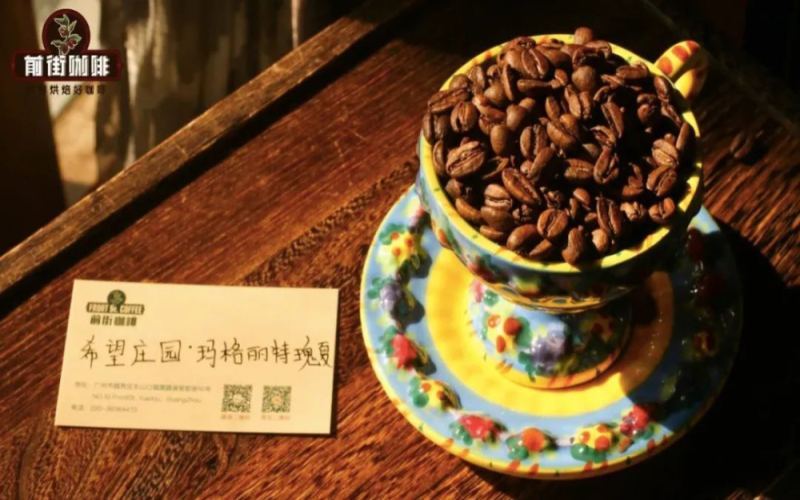
A Complete Guide to Hope Estate in Colombia's Cauca Valley: Flavor Profile and Origin Story of Natural Geisha Coffee
Front Street Coffee recently introduced a natural Geisha from Colombia's Cafe Granja La Esperanza, which when brewed presents aromas of blueberry and smoked plum, with layers of blackcurrant juice, orange, and berries on the palate, a rich juicy mouthfeel, and a red-wine-like finish. Cafe Granja La Esperanza occupies an important place in Colombia's coffee landscape, encompassing five sub-estates and having accumulated more than sixty awards in global competitions over the past decade. This article will trace the estate's history, plot distribution, variety experiments, and processing techniques, and analyze the source of its Geisha coffee's flavors. [more…]